The Real Cost of Small Daily Spending
Insights, advice, and stories from Barko.
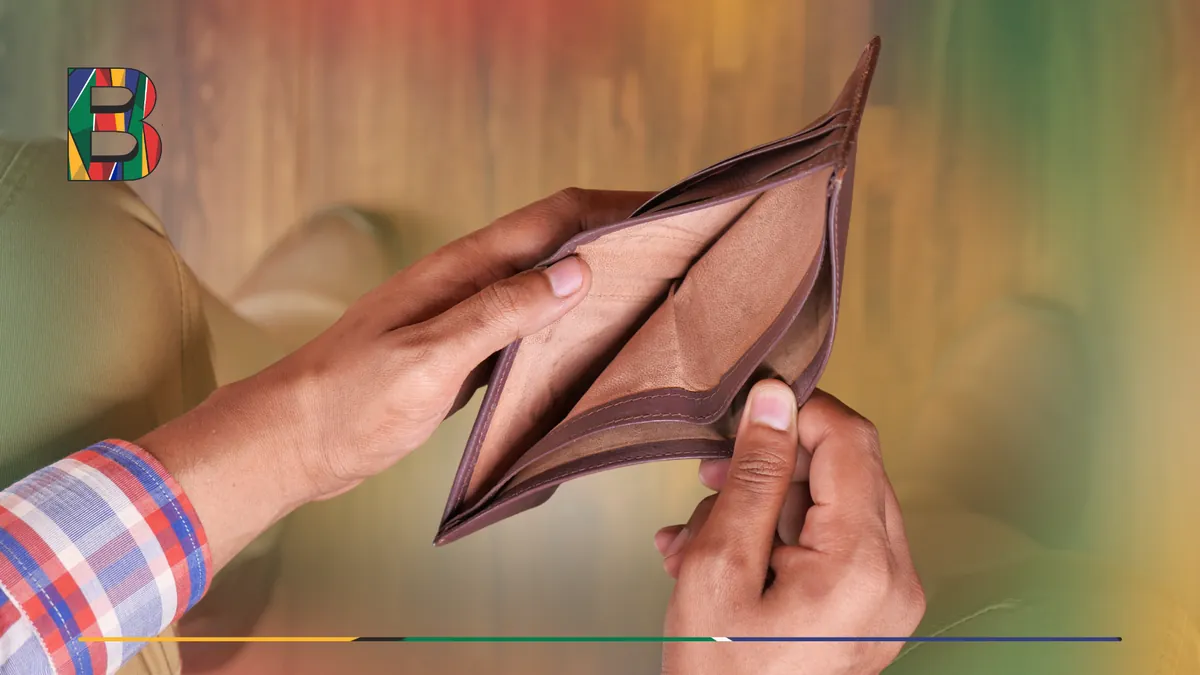
Have you ever reached the end of the month and wondered where your money went? Often, it is not one big purchase that puts pressure on your budget, but the smaller everyday expenses that add up over time. This article looks at how daily spending can affect your monthly budget, shares practical ways to manage your money, and explores what to consider when an unexpected expense creates a short-term financial need.
How Daily Spending Adds Up
A snack or drink from the shop, an unplanned takeaway, a small convenience purchase, or a subscription you hardly use may not feel like a major expense on its own. But when these purchases become part of your daily spending habits, they turn into regular expenses that quietly add up over time.
For example, spending R30 on an unplanned snack or convenience item four times a week adds up to about R480 over four weeks. Over a year, that could be more than R5 700. The exact amount will differ from person to person, but the point is simple: small amounts become a meaningful part of your monthly spending when they happen often.
This does not mean you should stop treating yourself. The goal is not to remove every non-essential expense, but to understand how your daily spending affects the money available for essentials, savings, debt repayments and unexpected costs.
Simple Ways to Manage Daily Spending
Managing your daily spending does not mean you have to change your whole lifestyle. Start by checking your bank statement, receipts and spending history to spot small purchases that happen regularly. Next, set a realistic weekly amount for non-essential spending, plan purchases before going to the shops, and cancel subscriptions or services you no longer use.
Many South Africans are already making similar changes as household budgets remain under pressure. According to the TransUnion Consumer Pulse Q2 2026 report, 53% of consumers have reduced their non-essential spending, including dining out, travel and entertainment. Small, consistent decisions can help keep your budget on track and leave more room for unexpected expenses when they arise.
When Unexpected Expenses Put Pressure on Your Budget
Even with careful planning, unexpected expenses can still happen. A car breakdown, medical bill or school-related cost can quickly put pressure on your monthly budget. After essential expenses have been paid, there may not be enough room in the budget to cover the additional cost.
If you are considering credit for a short-term financial need, choose a registered credit provider and make sure the repayment will be affordable. Barko Loans is a registered credit provider offering regulated short-term credit, subject to affordability and qualifying criteria.
Before taking out any loan, take time to understand the total cost of credit, the repayment terms and whether the repayment fits your budget. The National Credit Act (NCA) helps protect consumers, while the National Credit Regulator (NCR) oversees the credit industry and registered credit providers.
Understanding your daily spending, knowing what you can afford and using reliable information can help you make more informed financial decisions.
Conclusion
Keeping an eye on daily spending is a practical way to understand where your money goes and protect more of your monthly budget.
Good budgeting can make a real difference, but unexpected expenses can still happen. If a short-term financial need arises, compare your options and choose a registered credit provider that fits your circumstances. You can find more information about Barko’s short-term credit options at www.barko.co.za.
The difference is Barko.
Barko Financial Services (Pty) Ltd, trading as Barko Loans, is a Registered Credit Provider (NCRCP 1764) and an Authorised Financial Services Provider (FSP 45614).
Terms and conditions apply. All credit is granted subject to a mandatory affordability assessment and credit check.